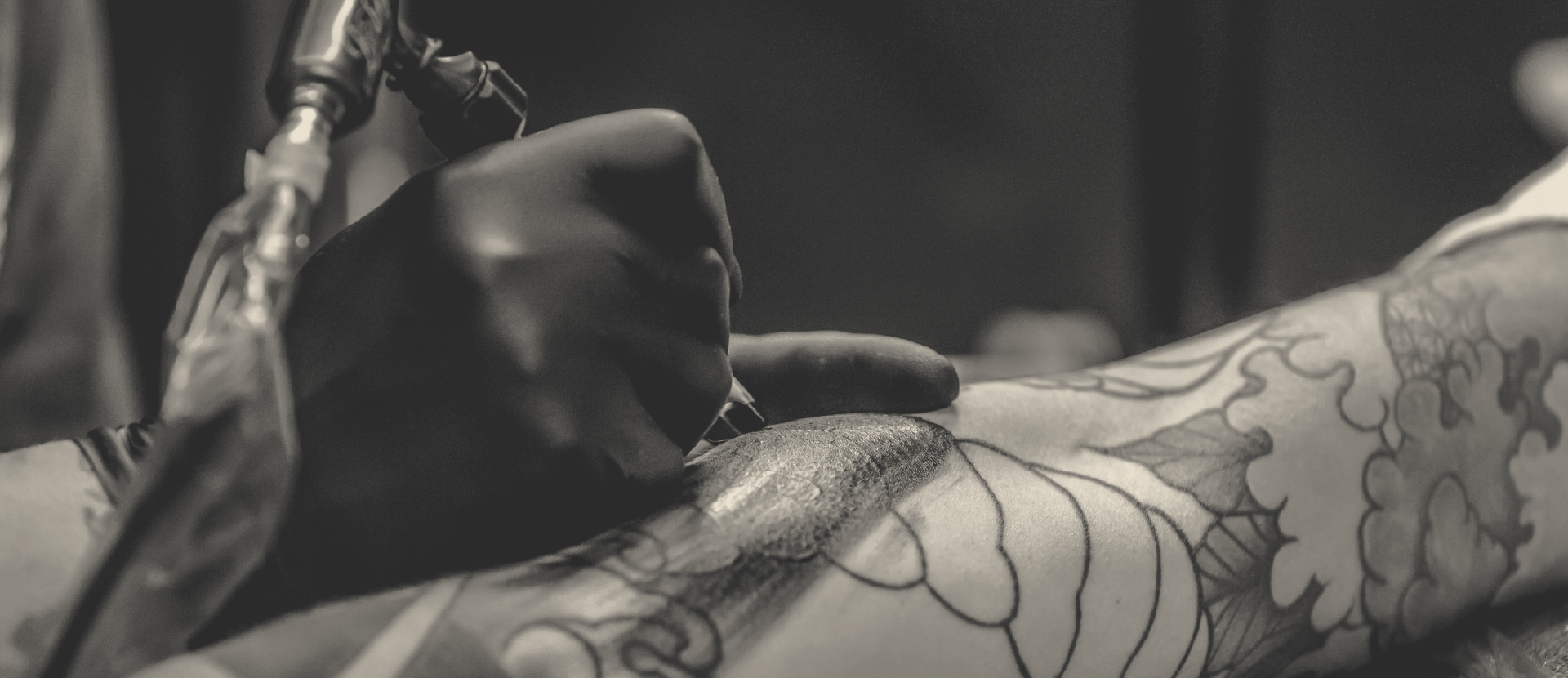
La mayor diferencia entre la caligrafía occidental y la oriental a la hora de plantearse un tatuaje radica en el significado. En Occidente utilizamos palabras o frases precisas, aunque la forma de escribirlas pueda variar. En Oriente, la cantidad de palabras se multiplica por cinco o resulta incluso incalculable (en japonés y chino, respectivamente). Por ello, una simple traducción de Google o mediante IA puede dar lugar a significados distintos a la idea original. ¿Nuestra solución? Consultar a un experto o a un hablante nativo; a ambos, si es posible.
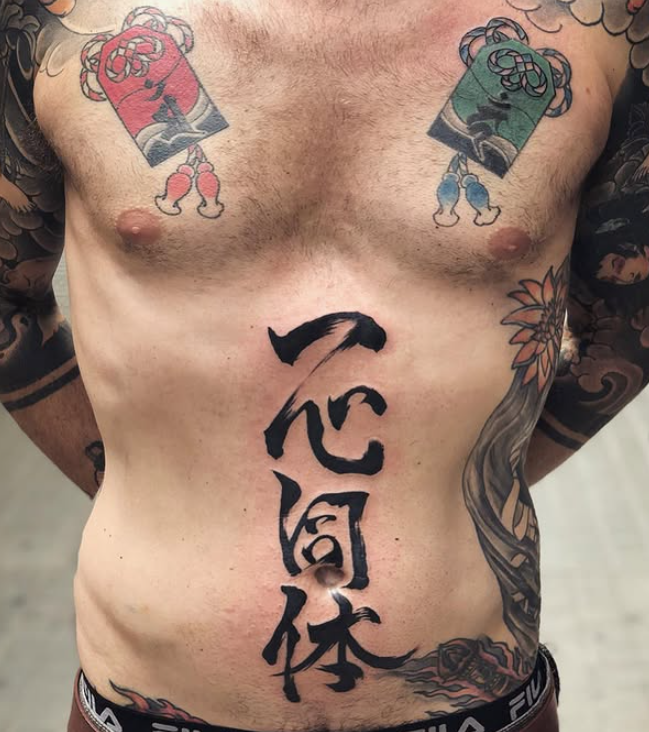
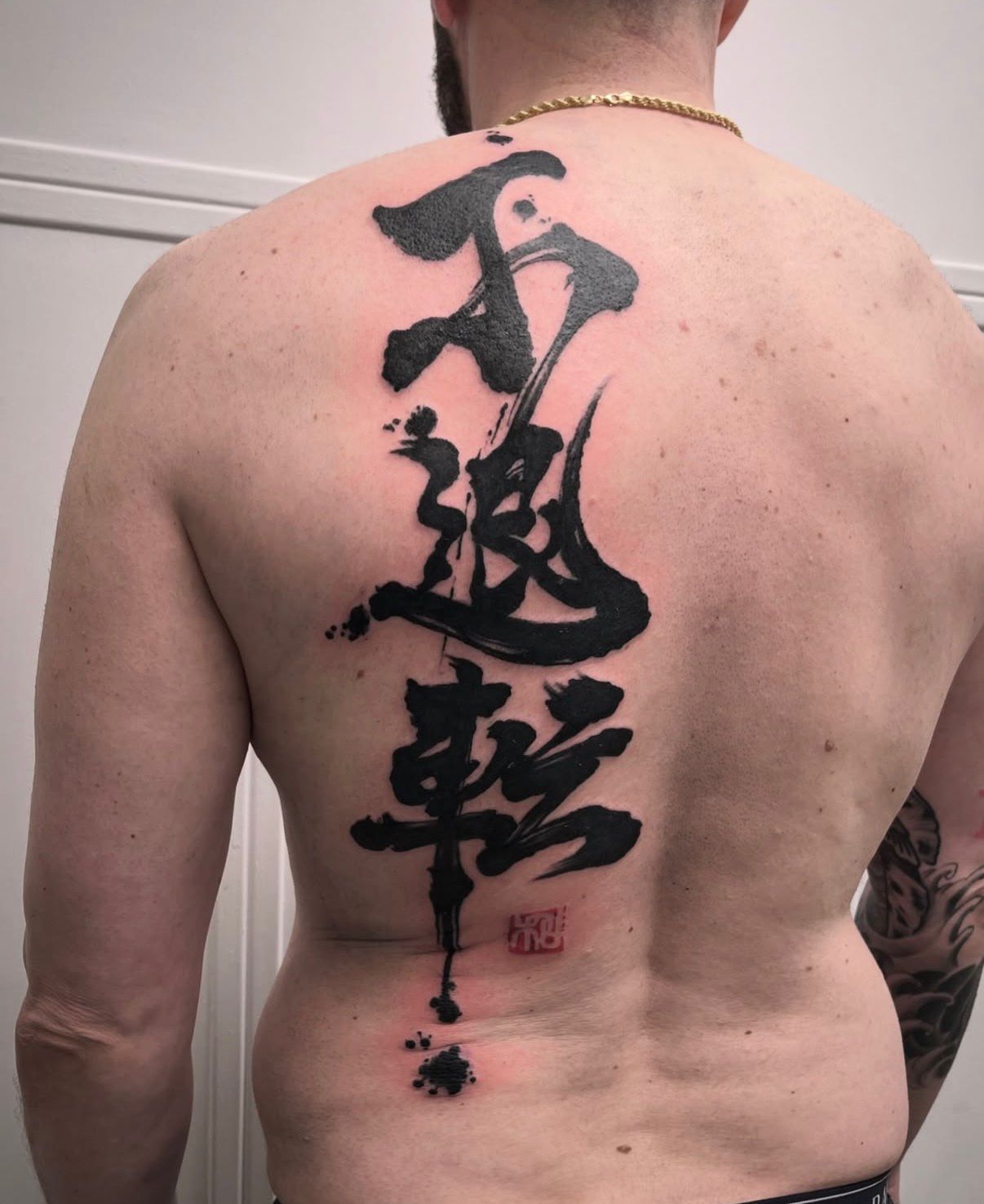
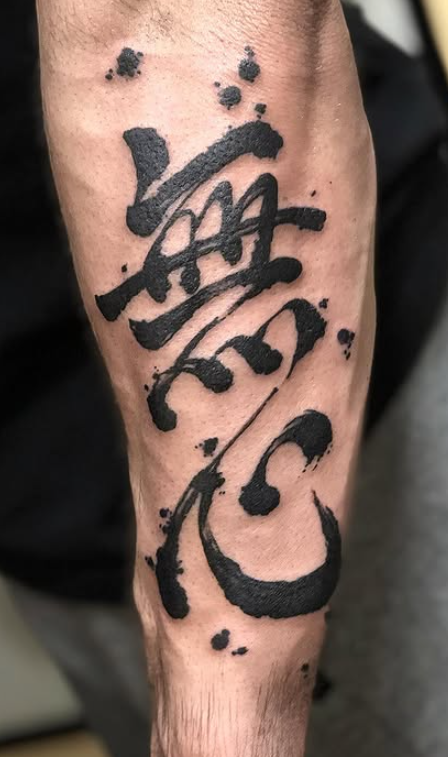
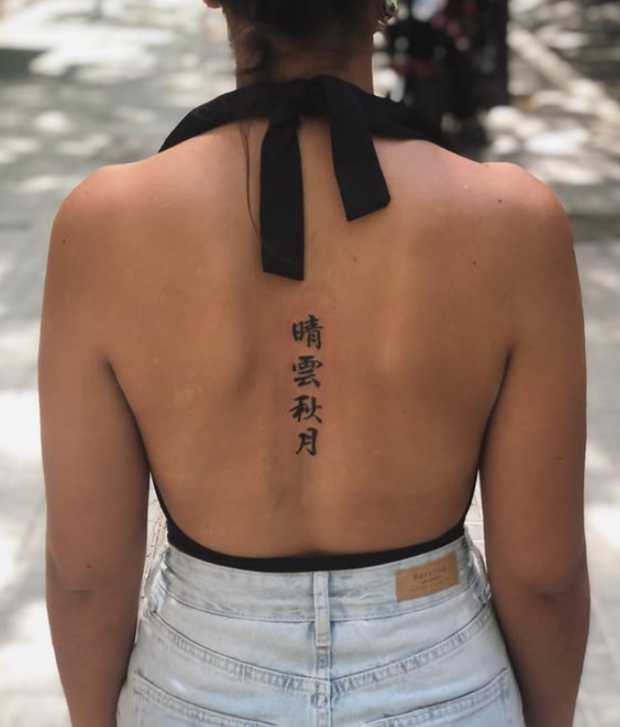
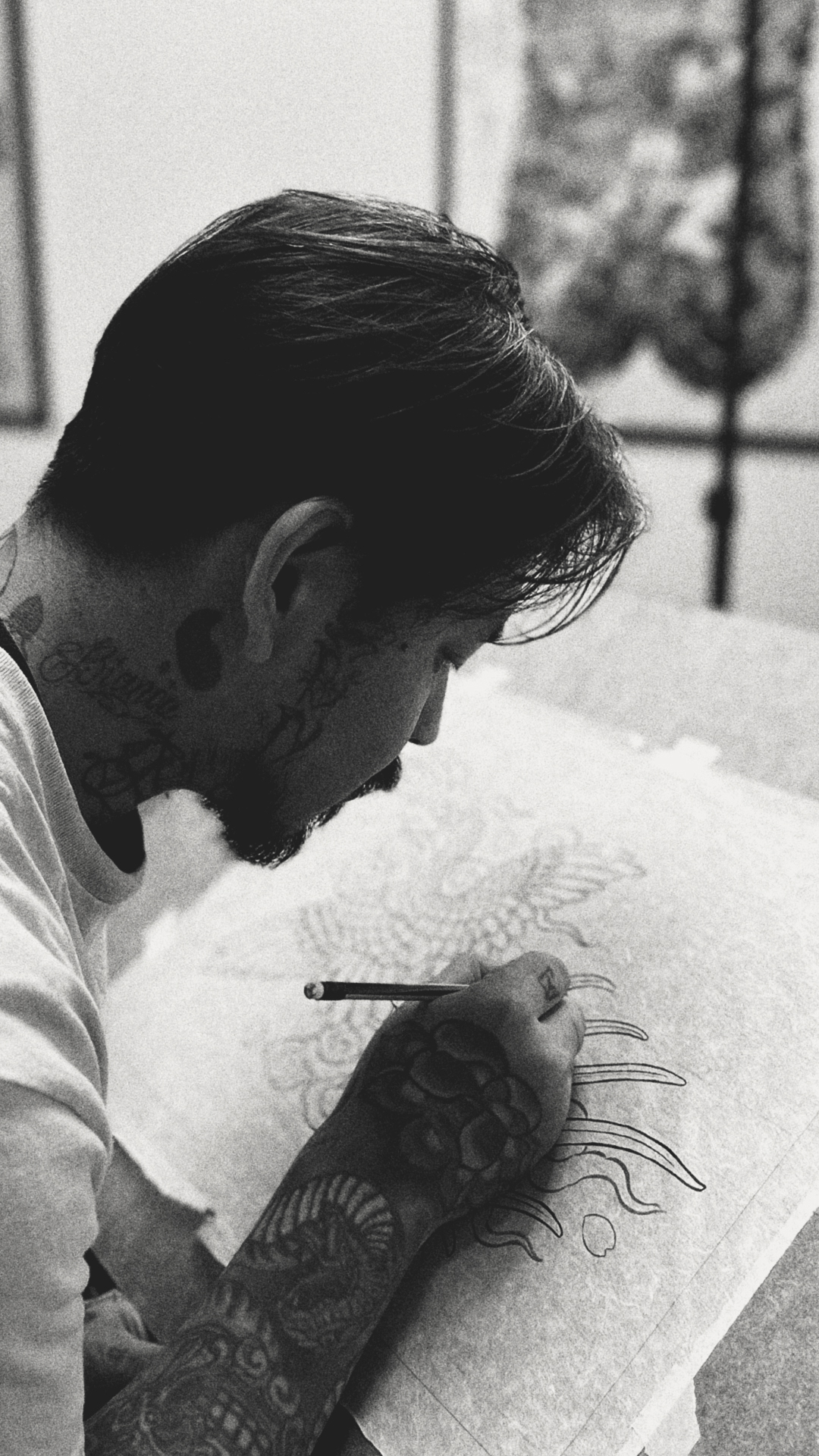
Desde el auge de las redes sociales, estamos más expuestos a la mirada ajena y, para bien o para mal, sujetos a juicios o valoraciones. Por eso, es preferible transmitir con exactitud el concepto o significado que teníamos en mente. La caligrafía japonesa es ideal para esto, ya que permite condensar o explicar frases o conceptos enteros con un solo trazo de pincel; lo maravilloso es que no se limita a un único *kanji*, pues casi siempre existe otra opción para matizar o expresar de forma distinta cada concepto. Nuestro artista residente, Sen Kawamura, destaca a la hora de encontrar y plasmar conceptos como *Isshindoutai* (dos o más personas unidas de corazón, tan cercanas entre sí que actúan como una sola), *Mushin* (ausencia de mente: estado que se alcanza al liberar la mente de pensamientos como el miedo, la ira o el ego, ya sea en combate o en la vida cotidiana) y *Seiunshuugetsu* (un corazón limpio y sereno, transparente y puro como las nubes en un cielo soleado y la luna clara de otoño). No obstante, sus posibilidades no se limitan a estos conceptos complejos, ya que también permite embellecer palabras sencillas; así de flexible es la caligrafía japonesa.
.jpeg)
.jpeg)
.jpeg)
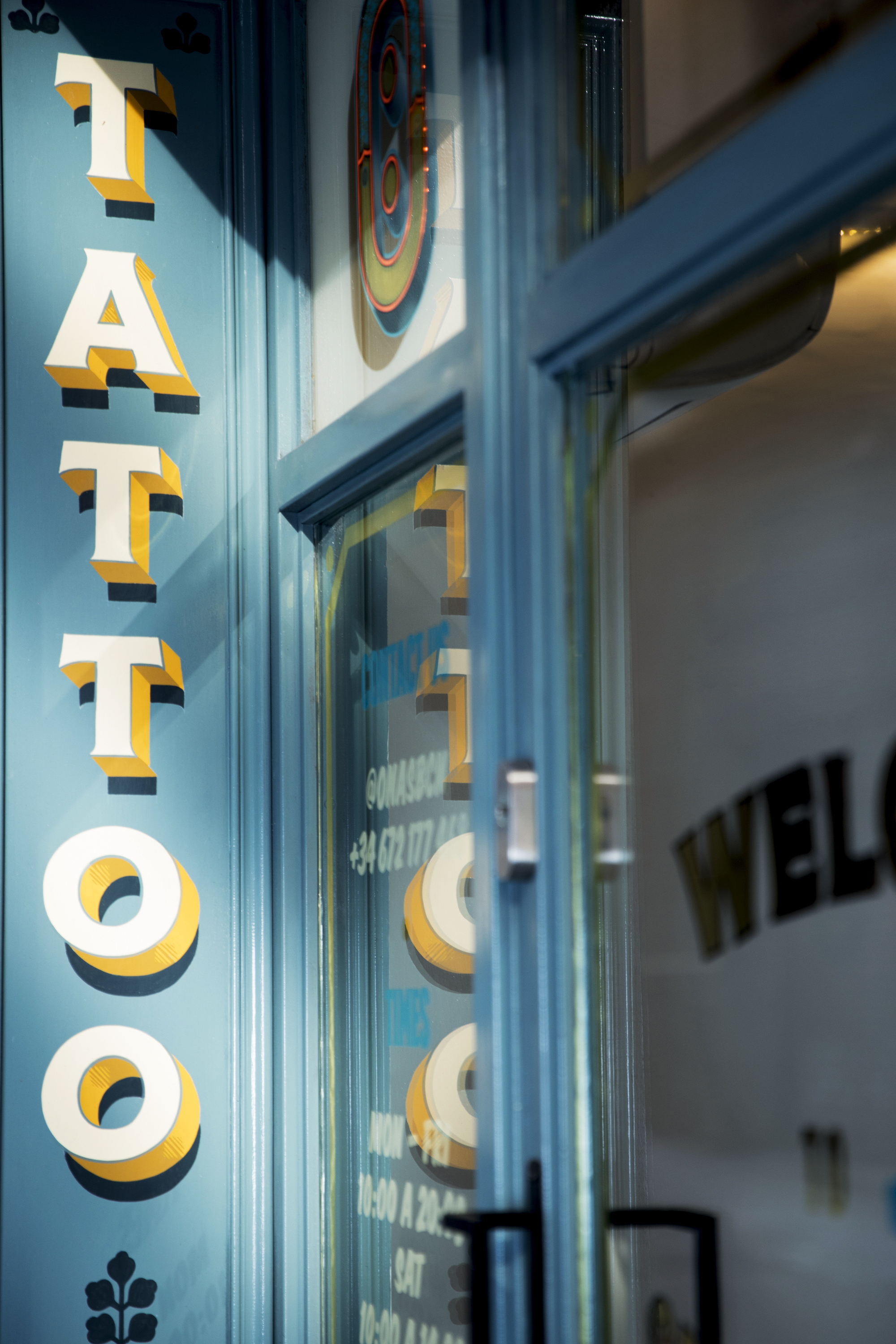
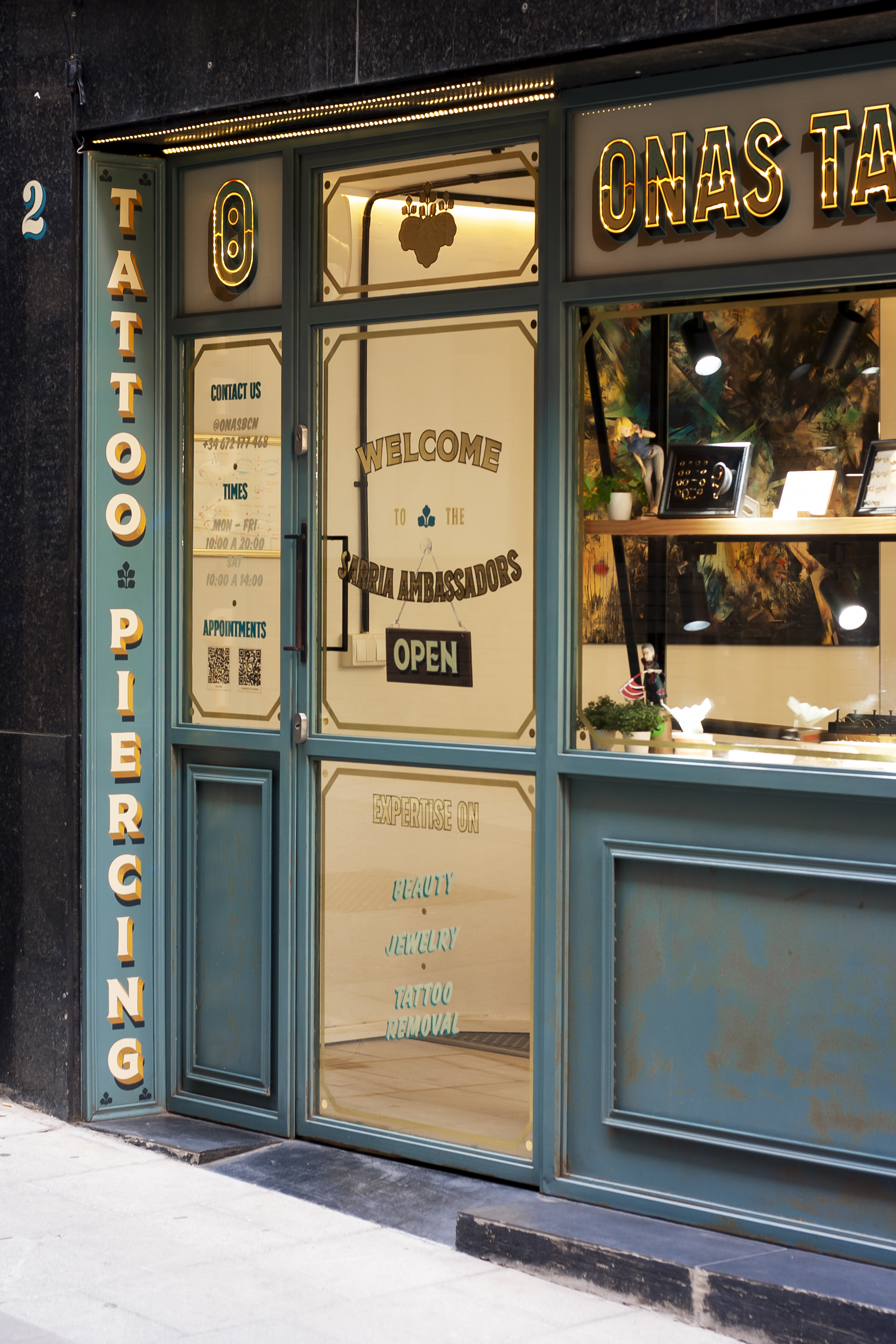
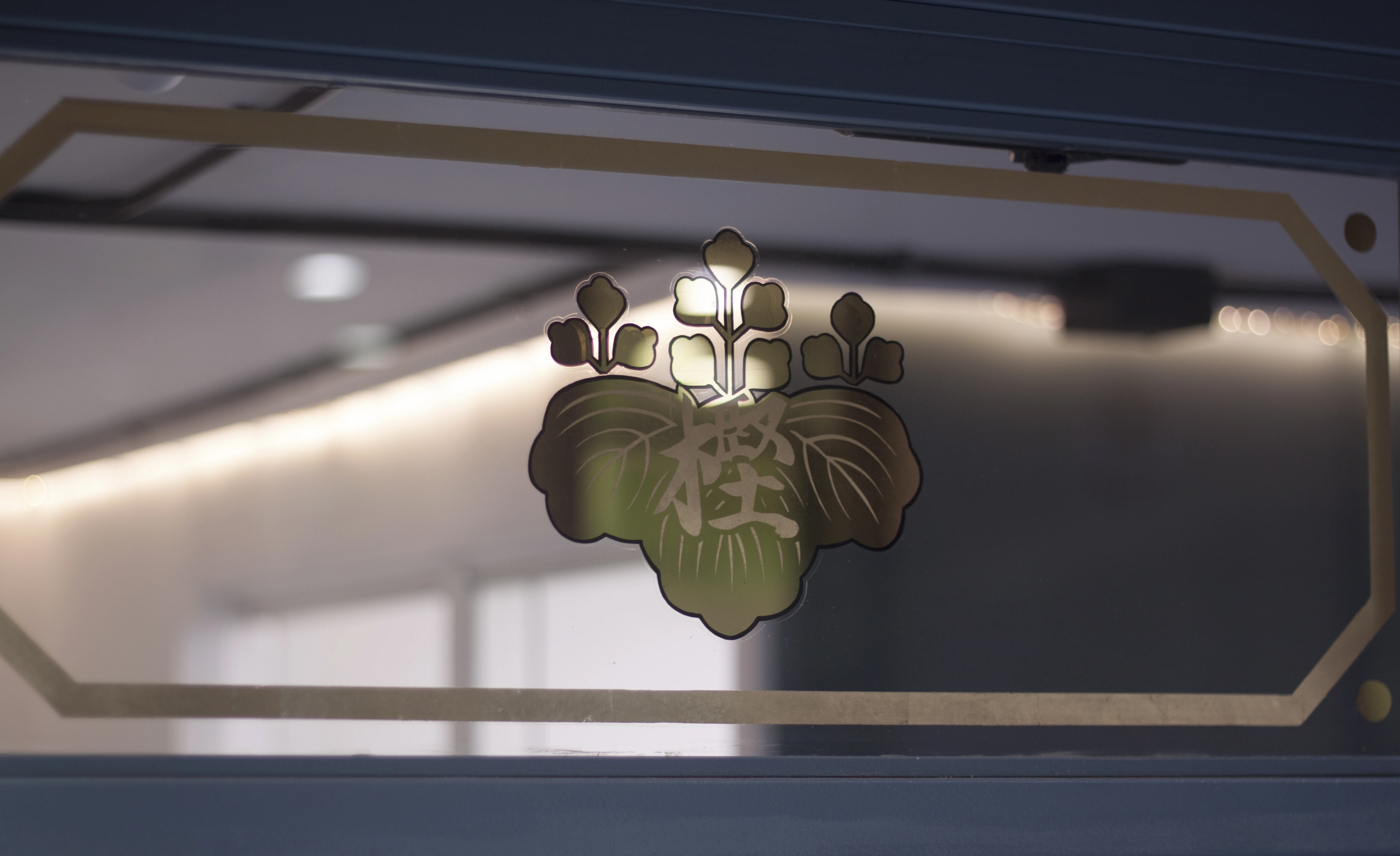
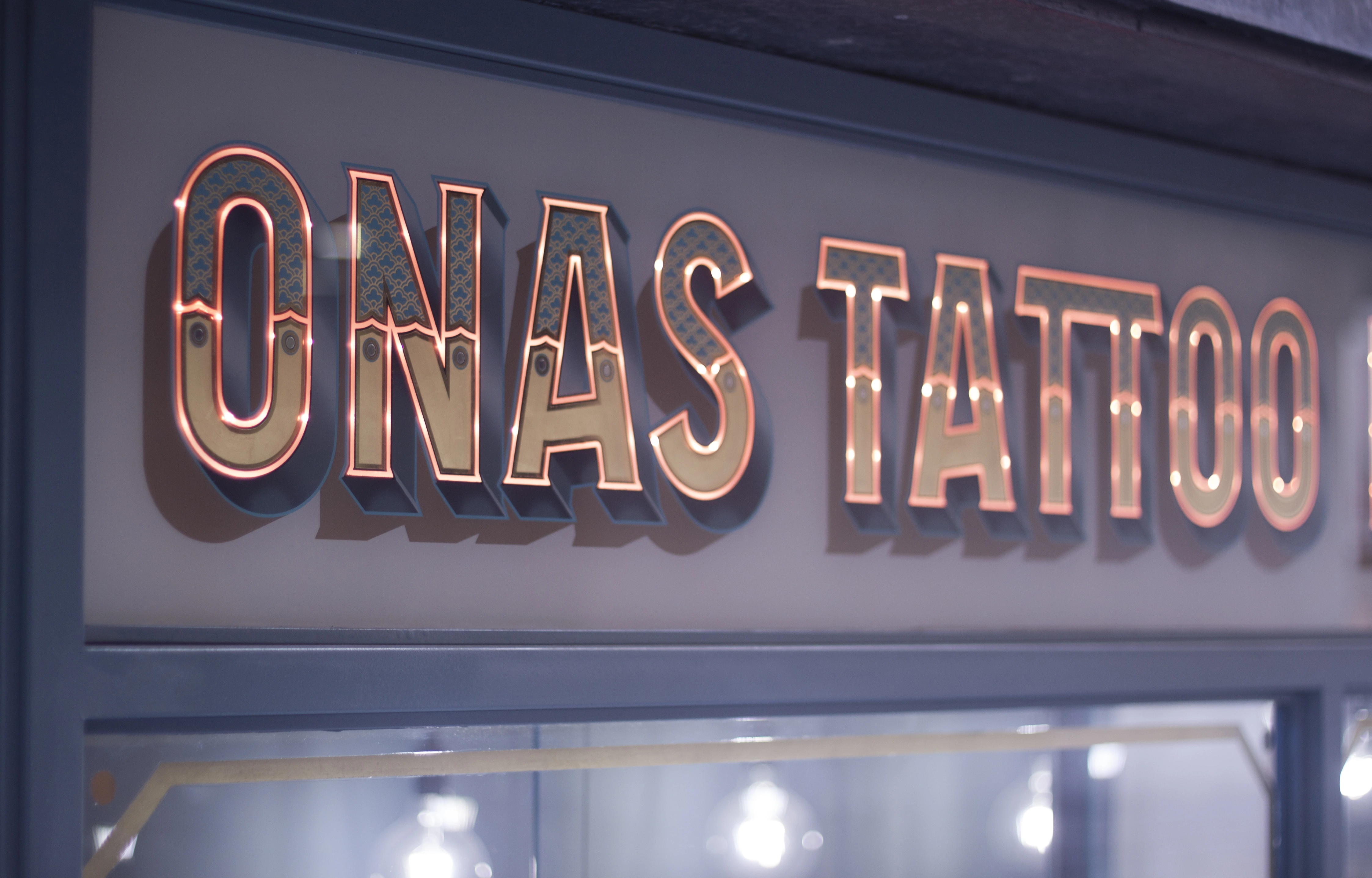
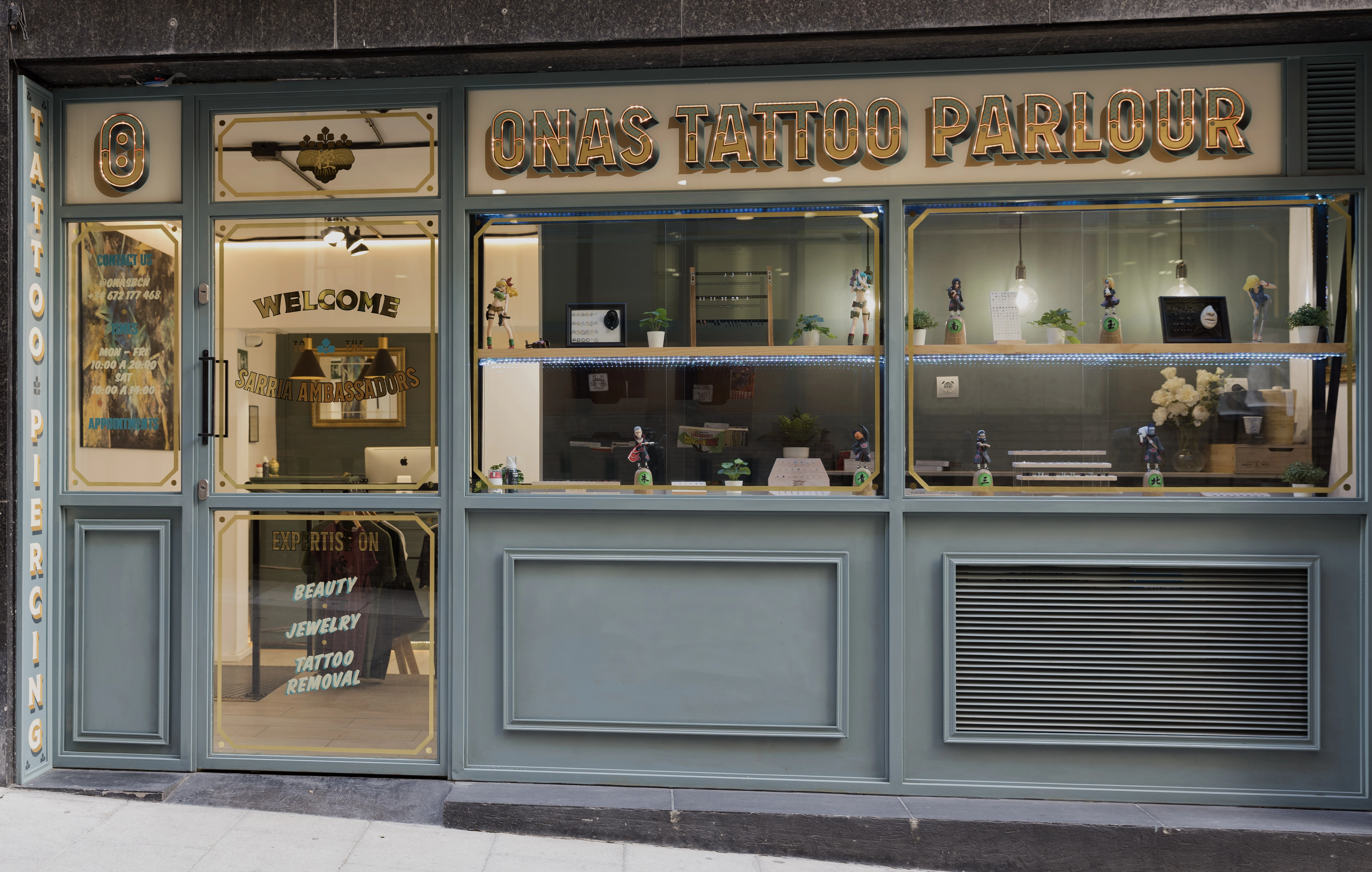
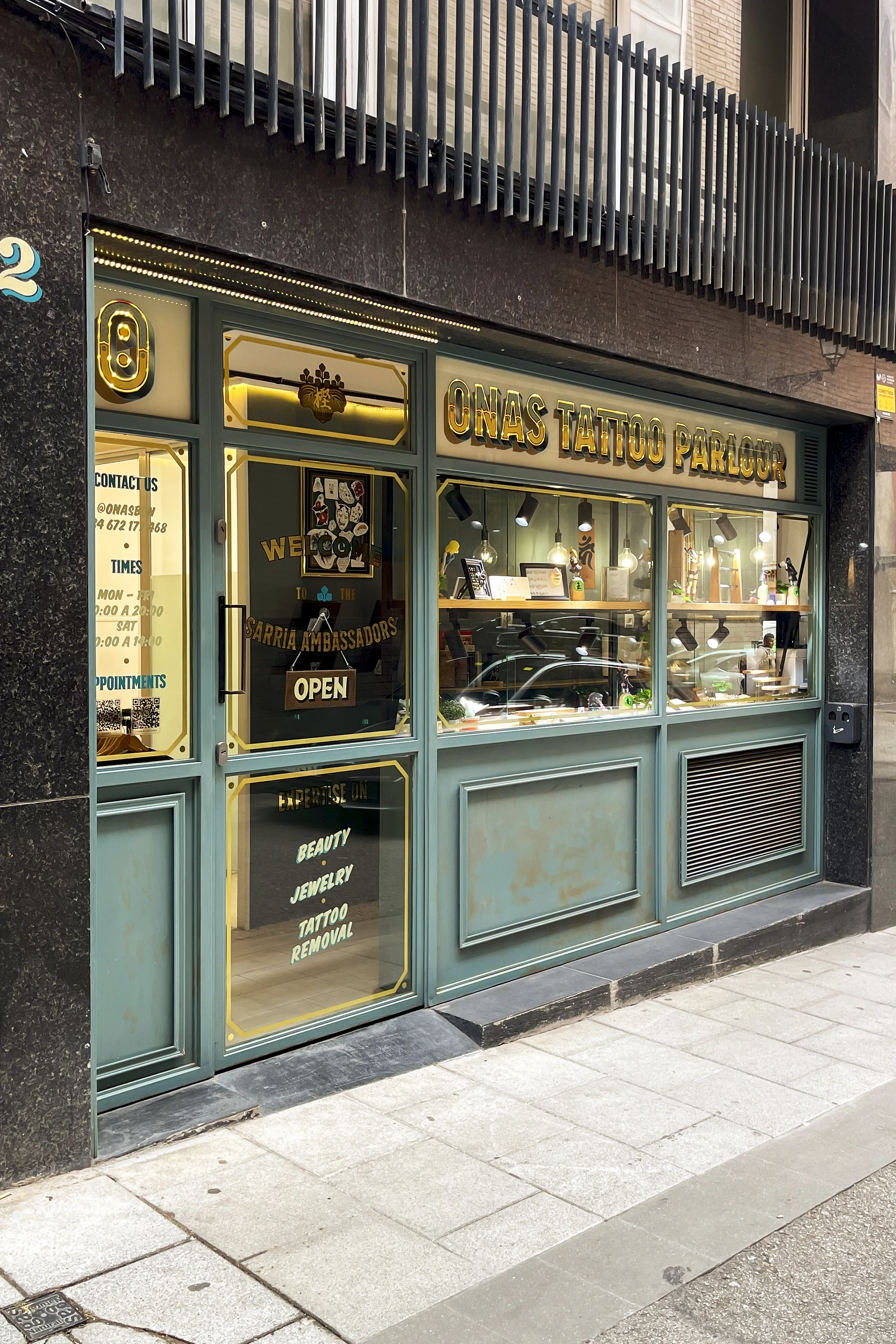
Embellecer la ciudad aporta una sensación agradable a la vida cotidiana y a los encuentros casuales en la calle; algo que no pasa desapercibido para nosotros, para el vecindario y, especialmente, para los visitantes. Adrián, «El Deletrista», tiene una misión.
Descubrimos su trabajo y su proyecto (https://rotulostradicionales.com/) con gran entusiasmo durante la pandemia, una época en la que más de una luz se había apagado en las calles y la austeridad resultante nos impulsaba a buscar nuevas fuentes de luminosidad.
Los rótulos tradicionales no son solo «cuestión de gustos»; al igual que el tatuaje tradicional, son valorados y estudiados no solo por su gran calidad artística, sino también por su durabilidad, gracias a la calidad de los materiales y a los tratamientos resistentes que reciben.
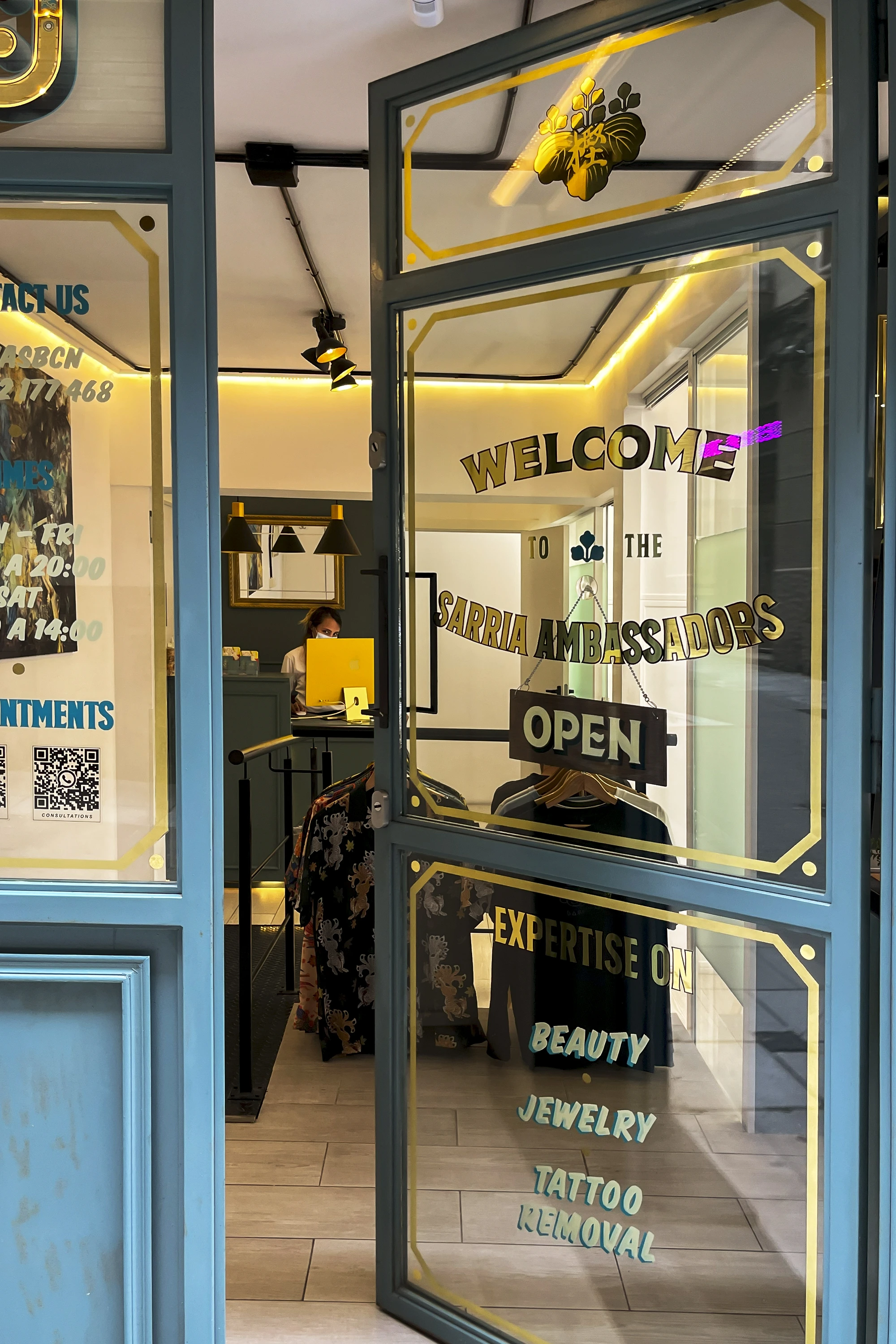
«Oro y espíritu verde» fue el encargo.
Si bien el colectivo humano y sus valores son los que confieren identidad, el carácter que logra plasmar el artista visual lleva consigo el recuerdo de aspectos de nuestra mente consciente e inconsciente. Por ello, expresar gratitud y presentar este tesoro nacional radicado en Barcelona es, sin duda, algo que merece la pena destacar.
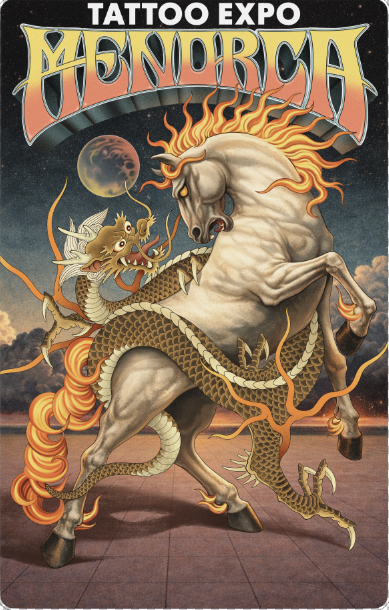
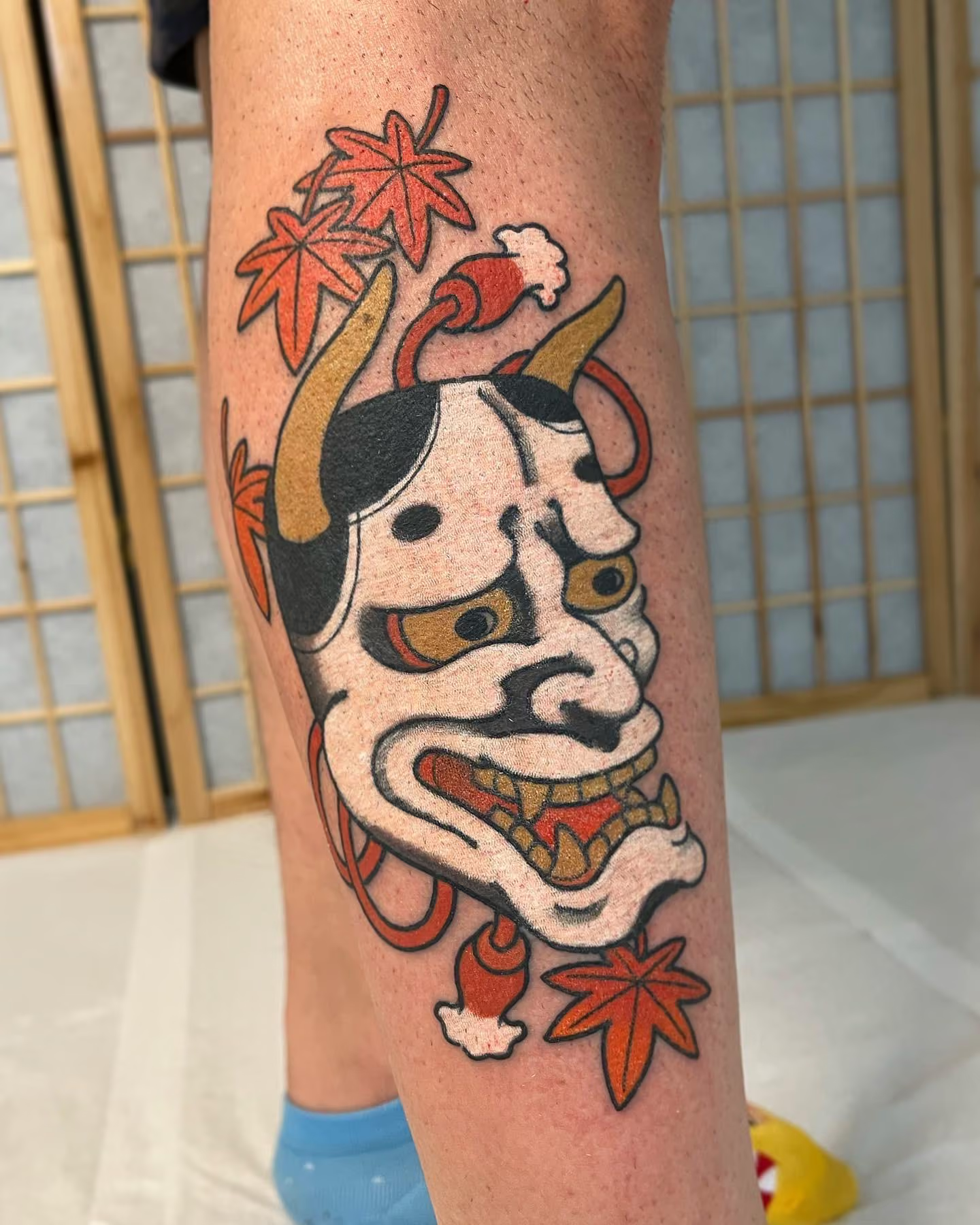
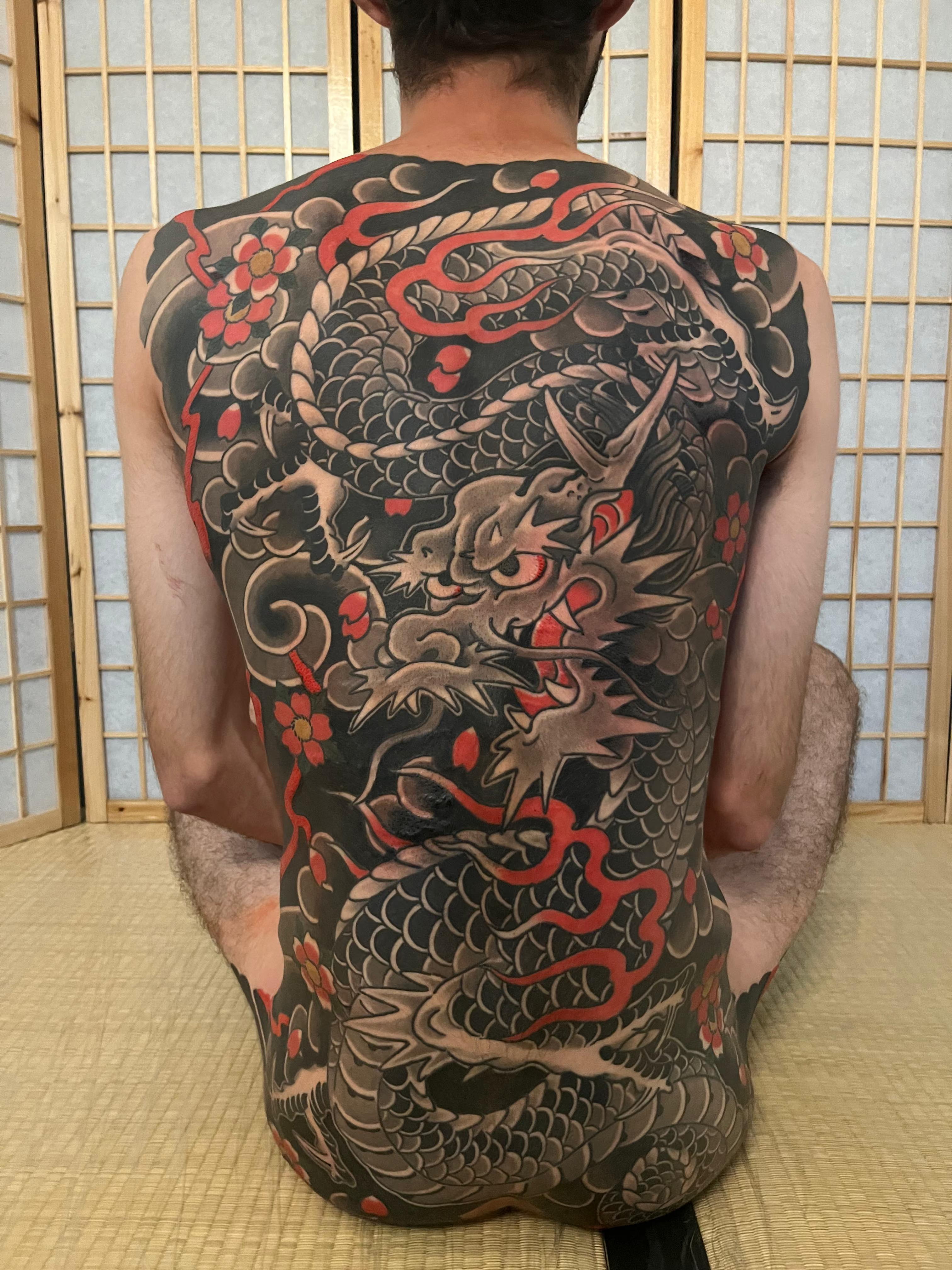
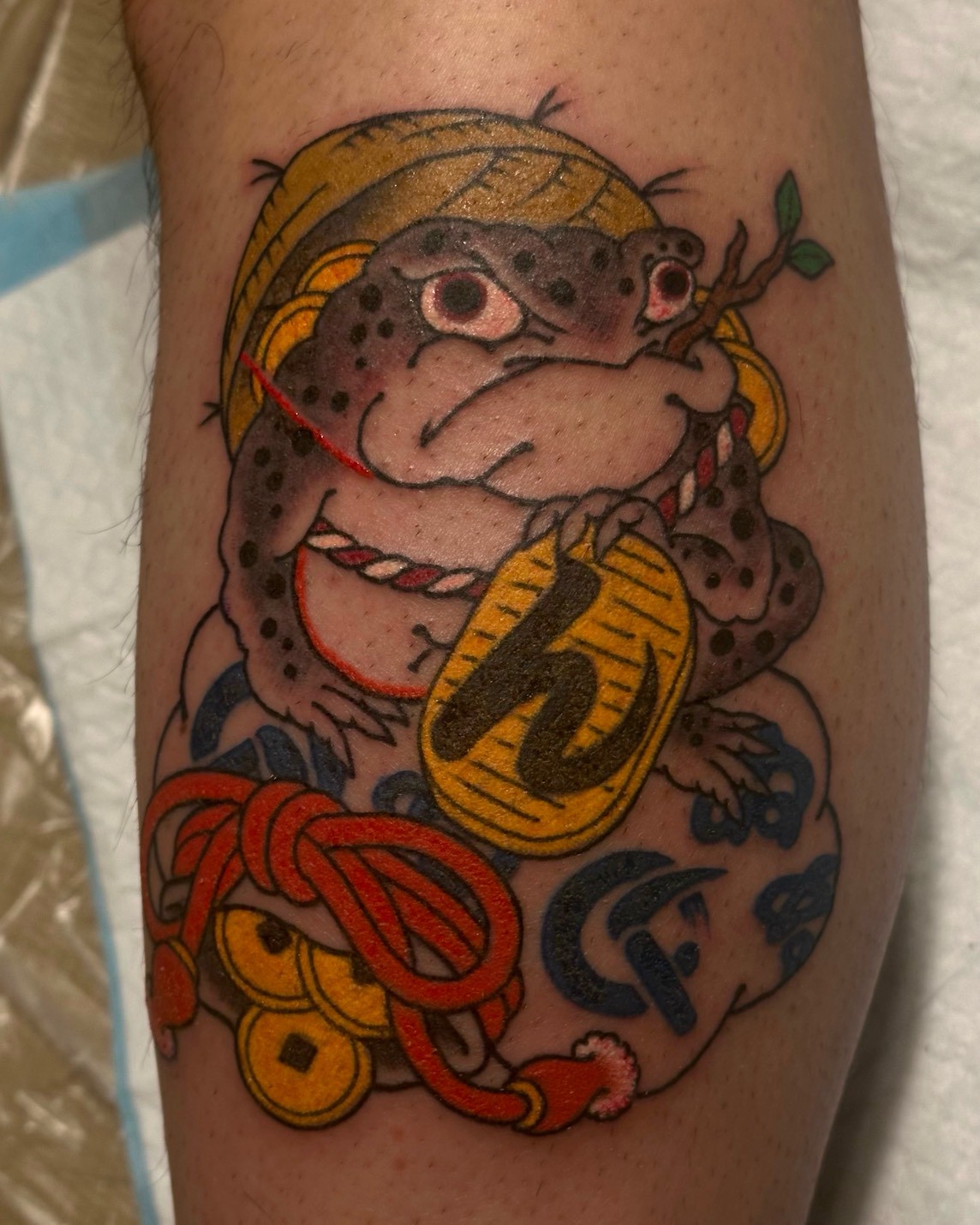
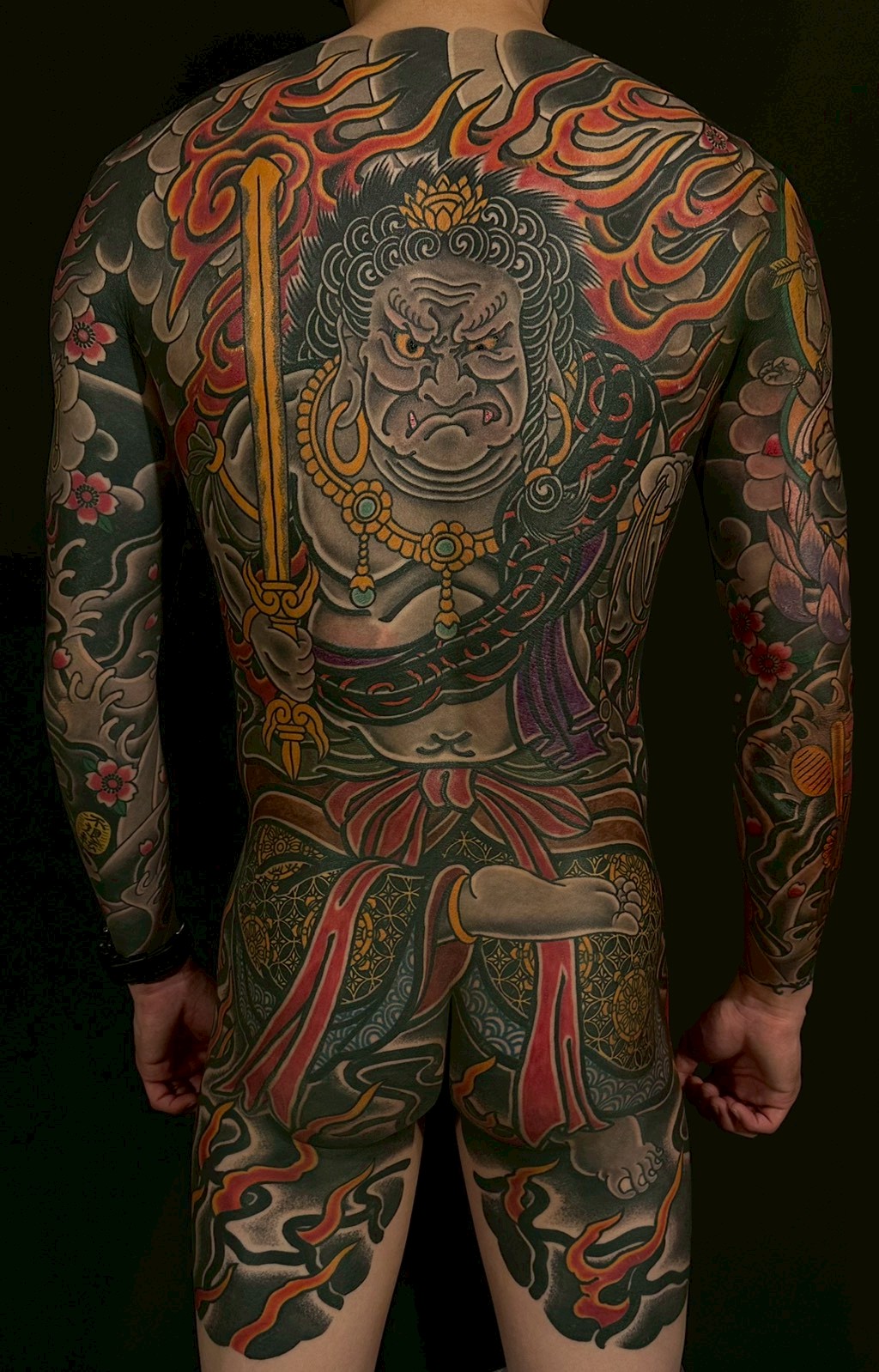
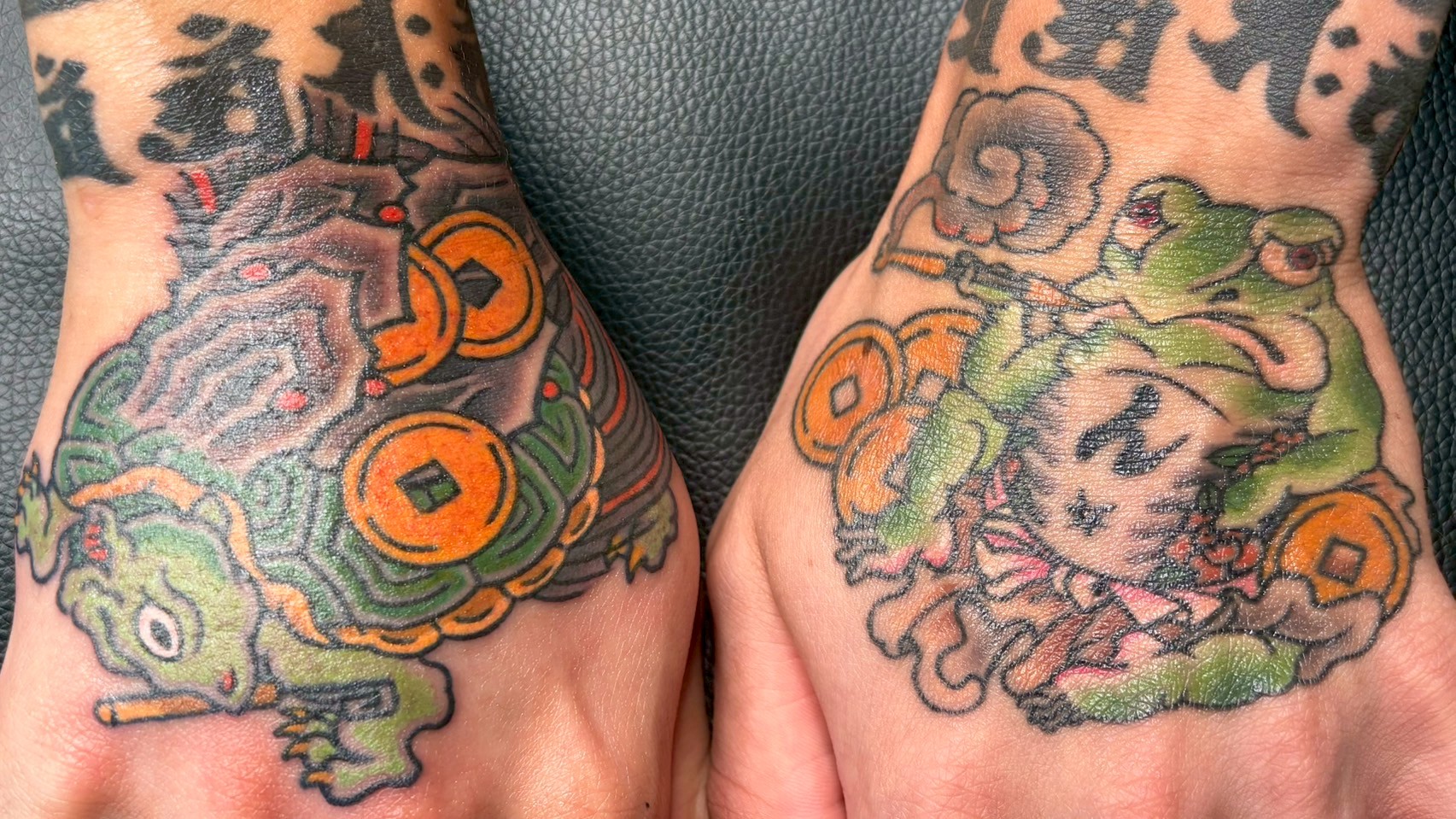
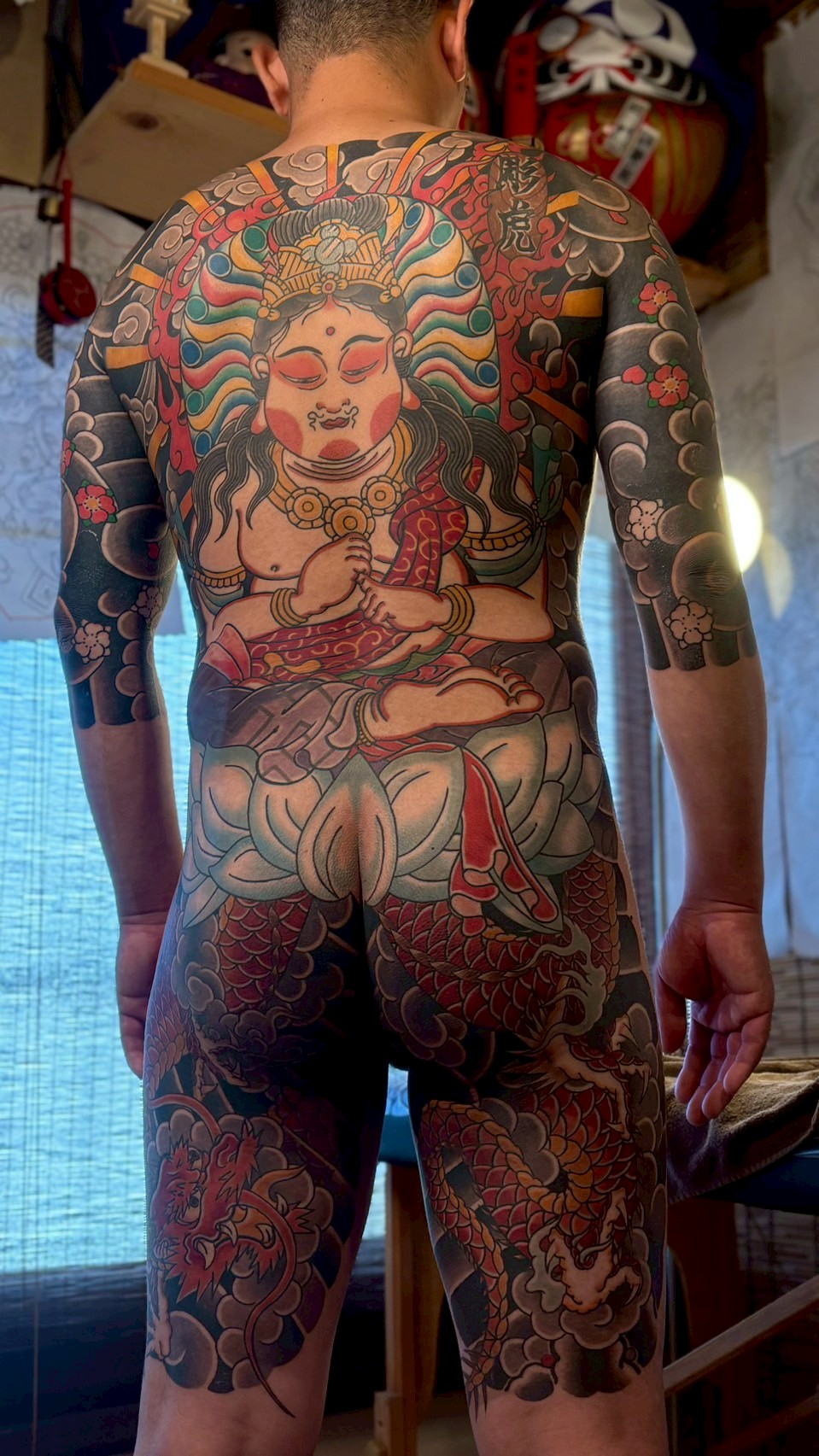
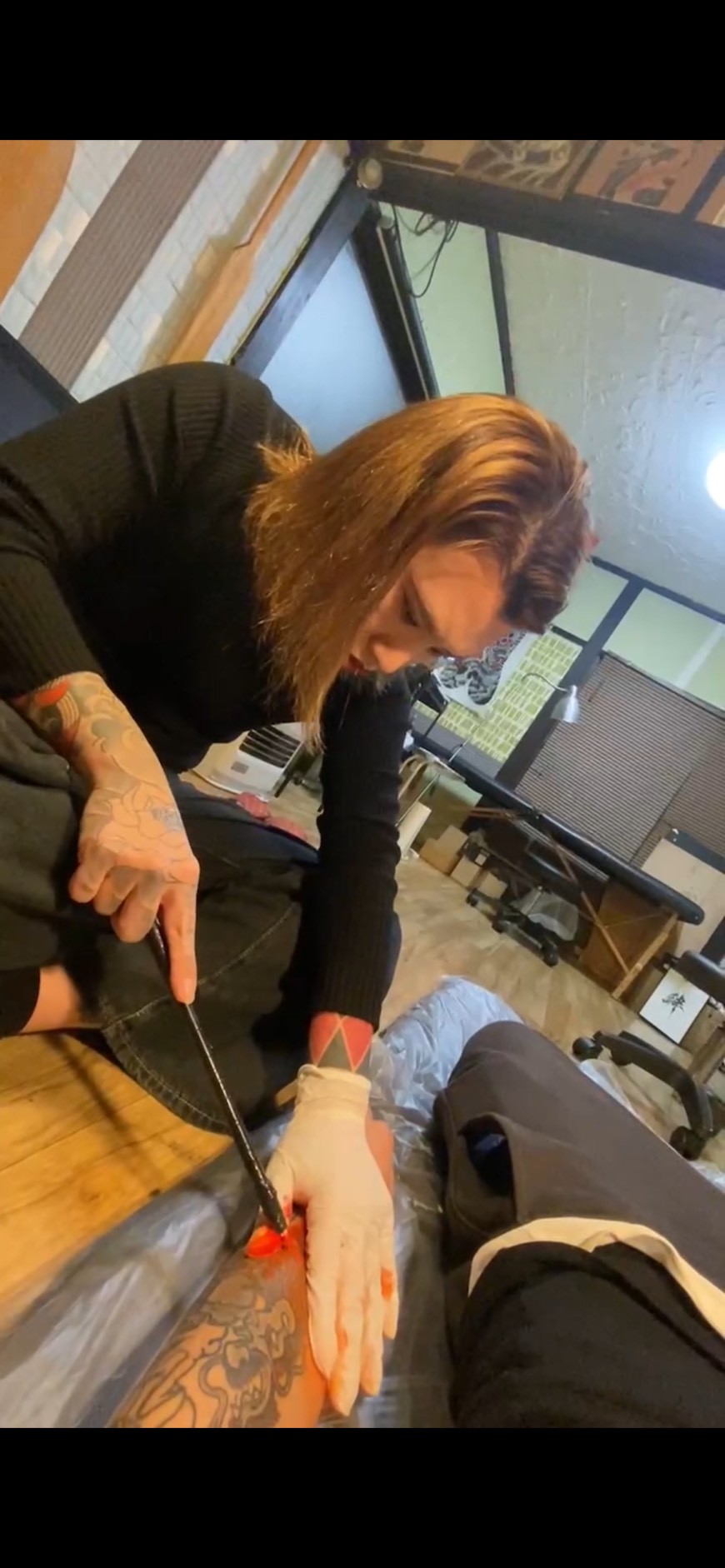
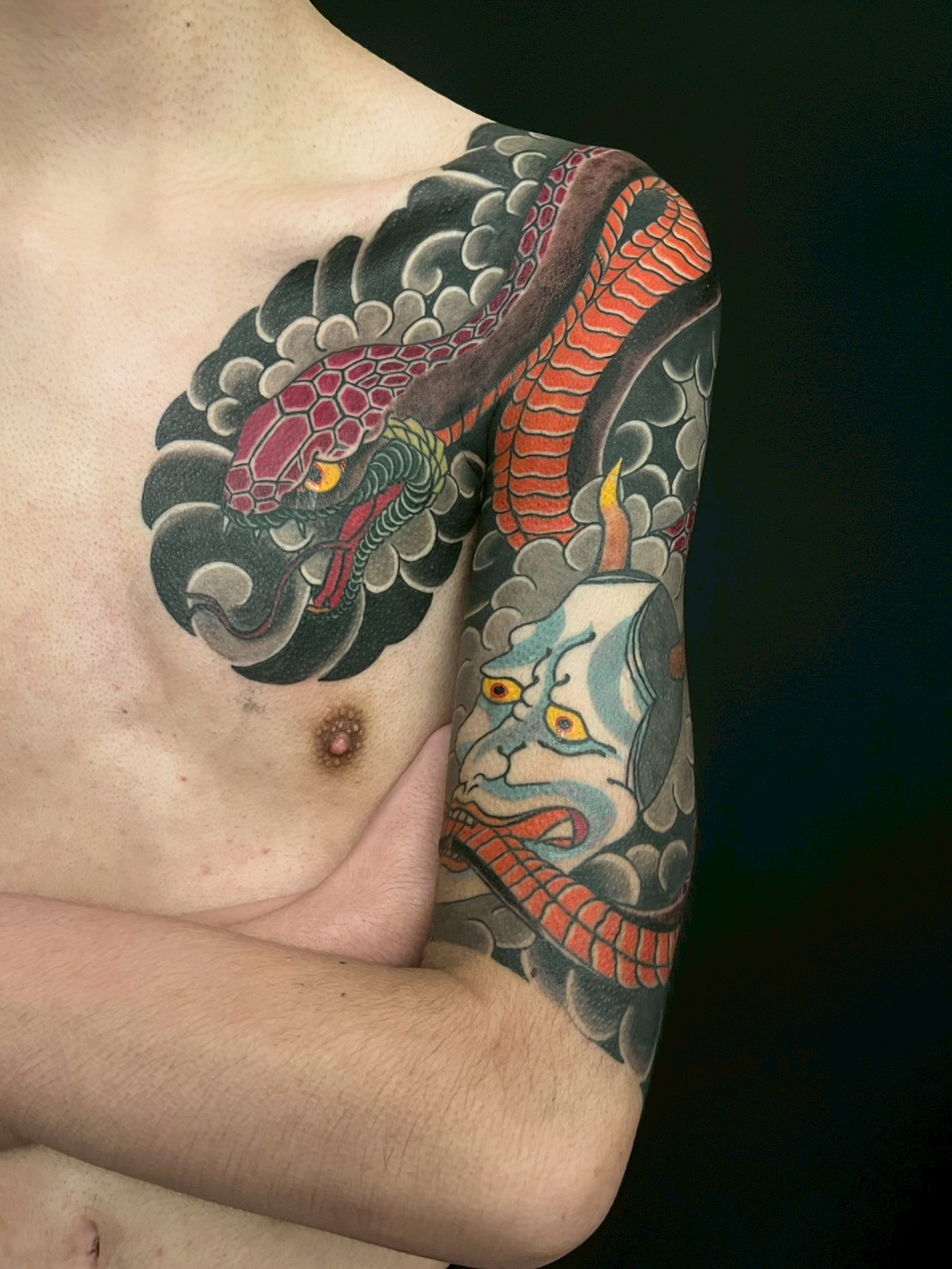
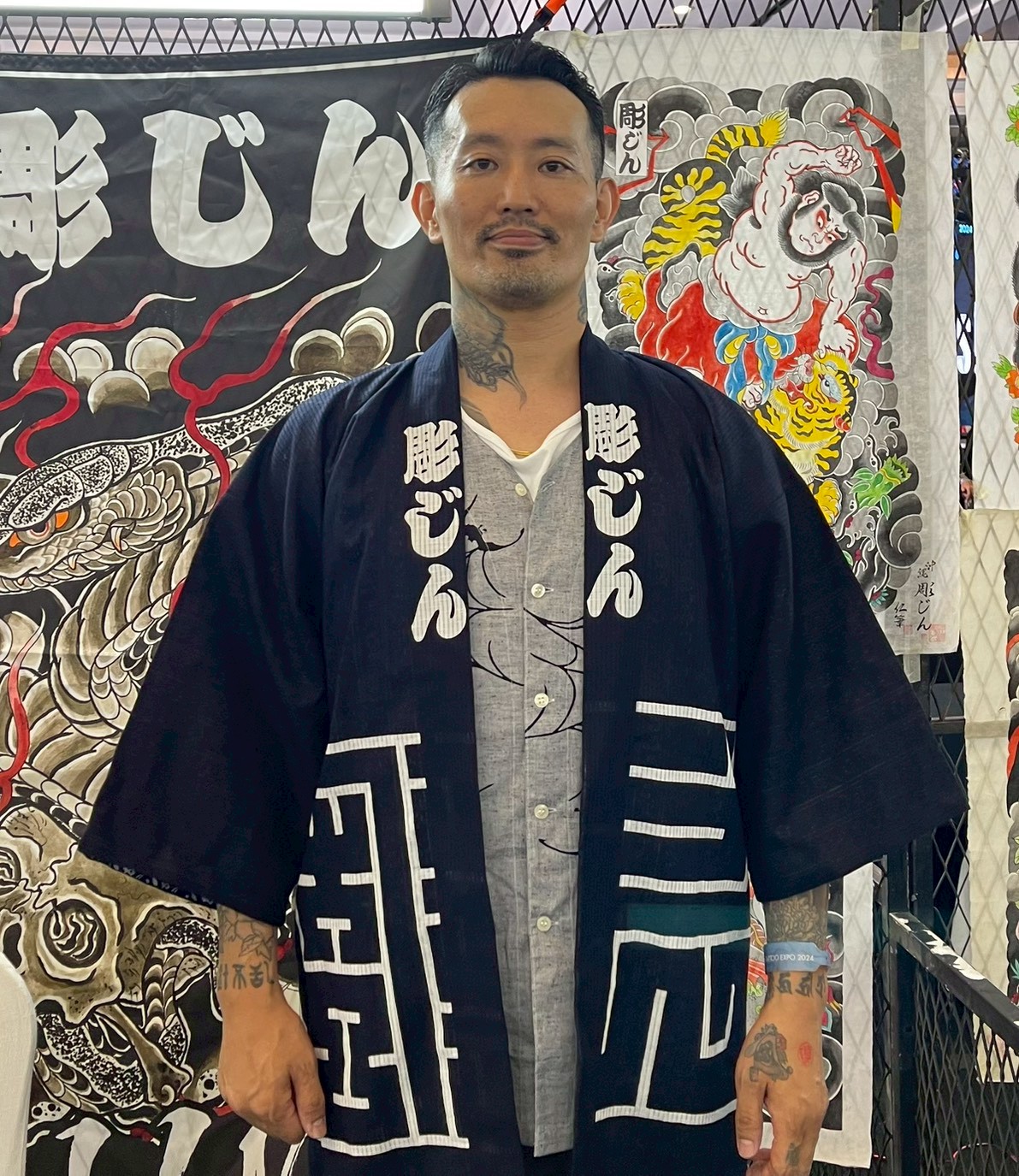
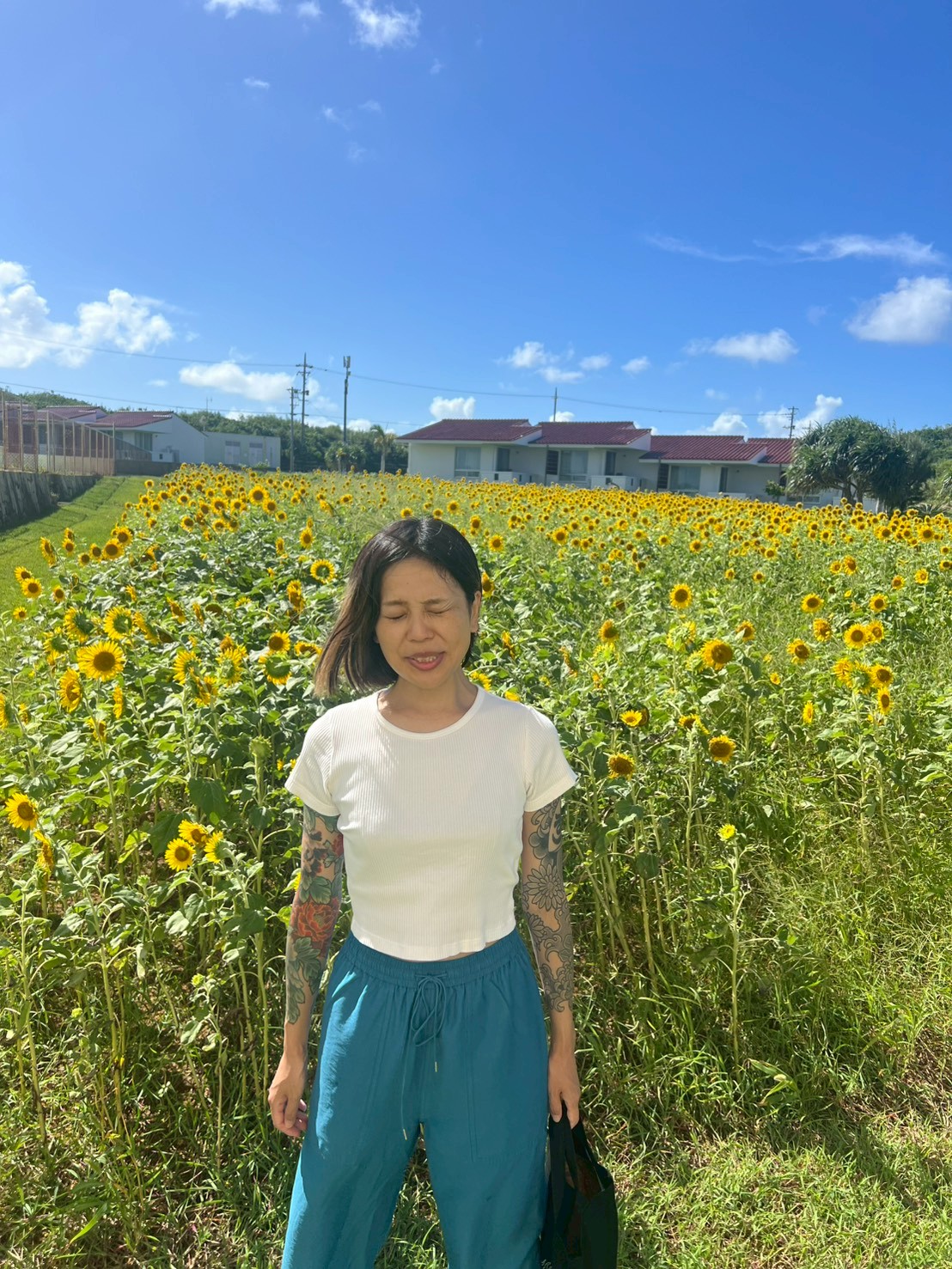
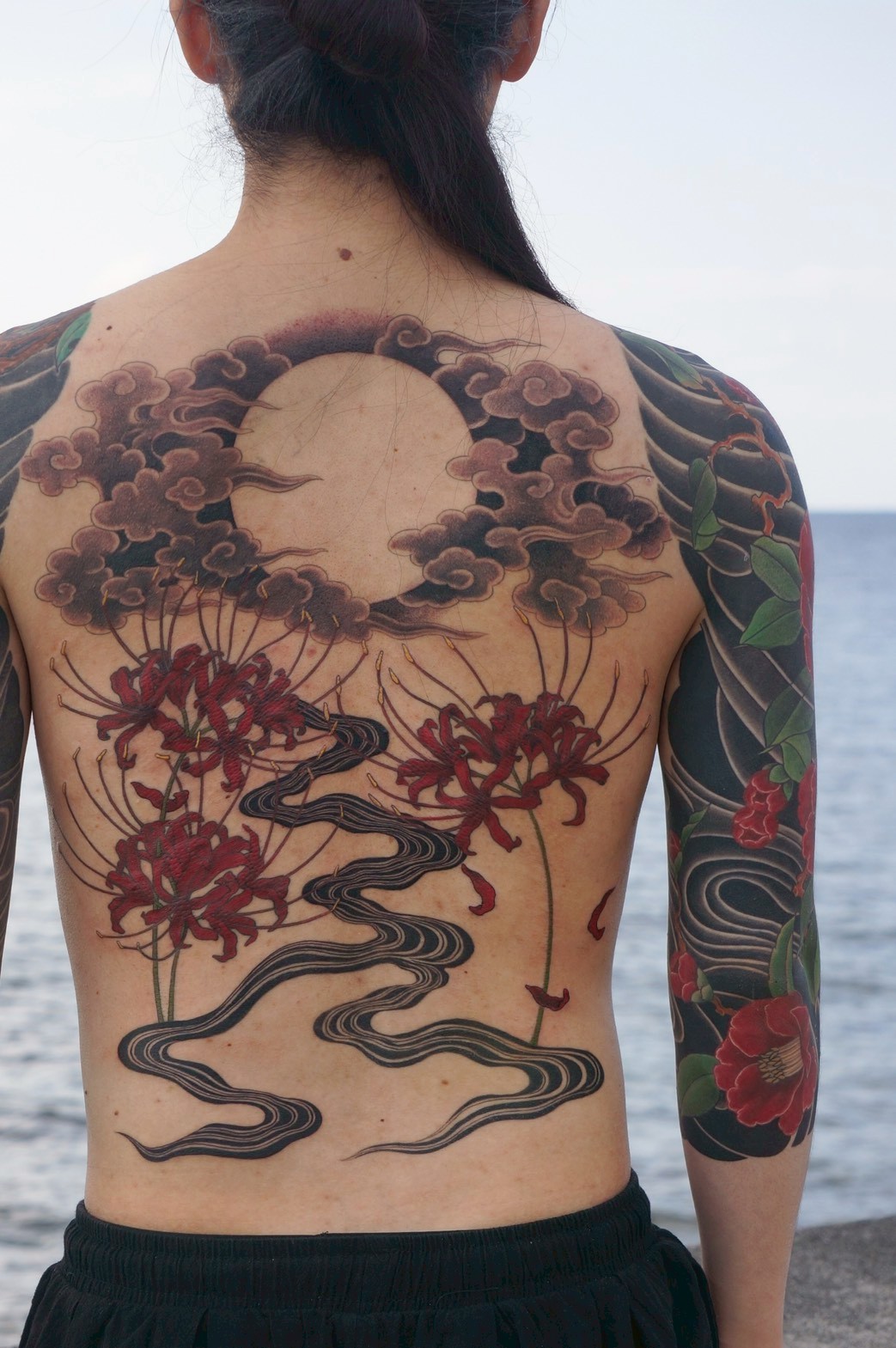
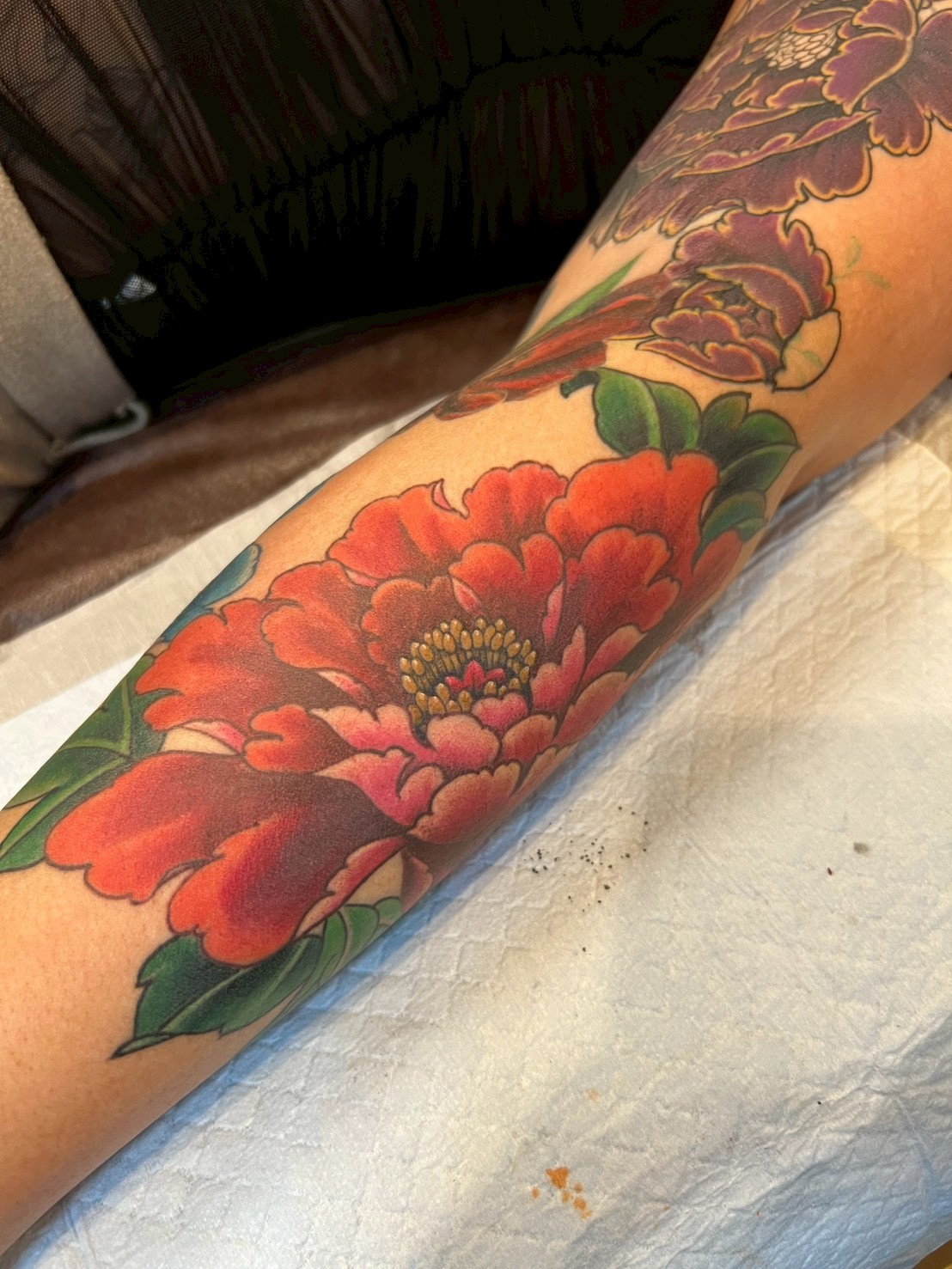
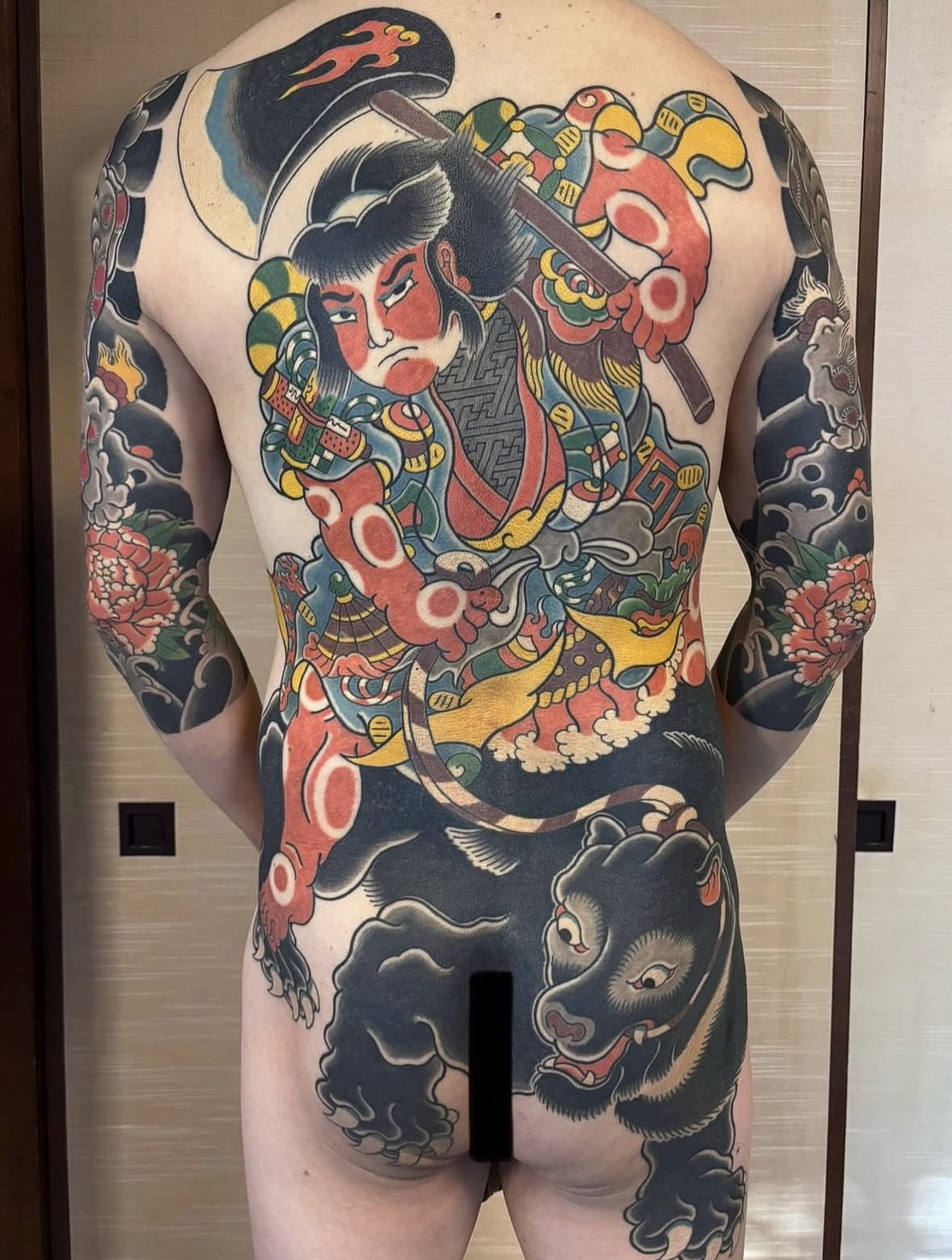
Onas visita la Menorca Tattoo Expo este 23 y 24 de mayo junto a artistas de Japón que representan los múltiples significados del *Wabori*, el estilo tradicional japonés, en la isla que vio nacer dicha tradición.
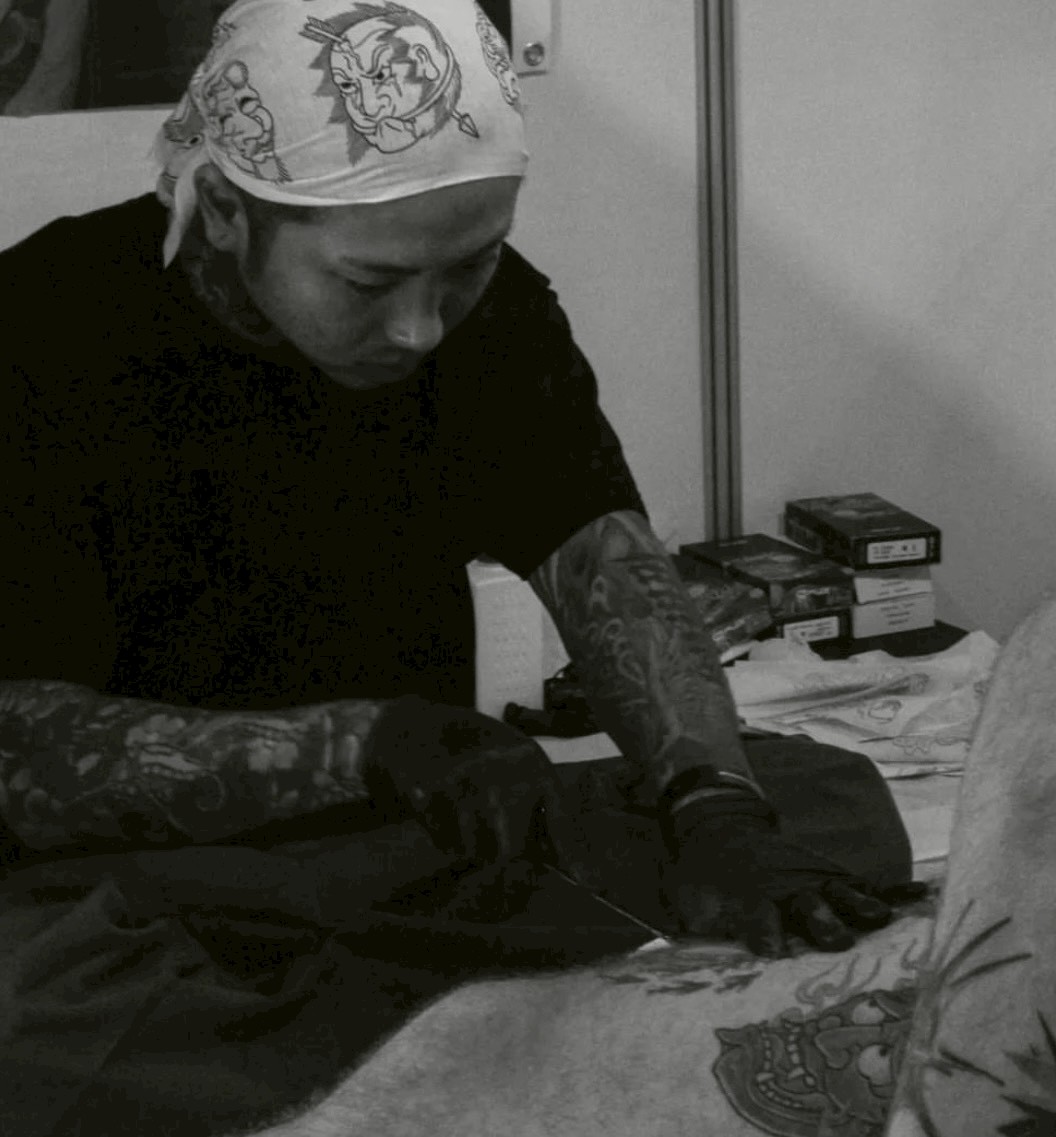
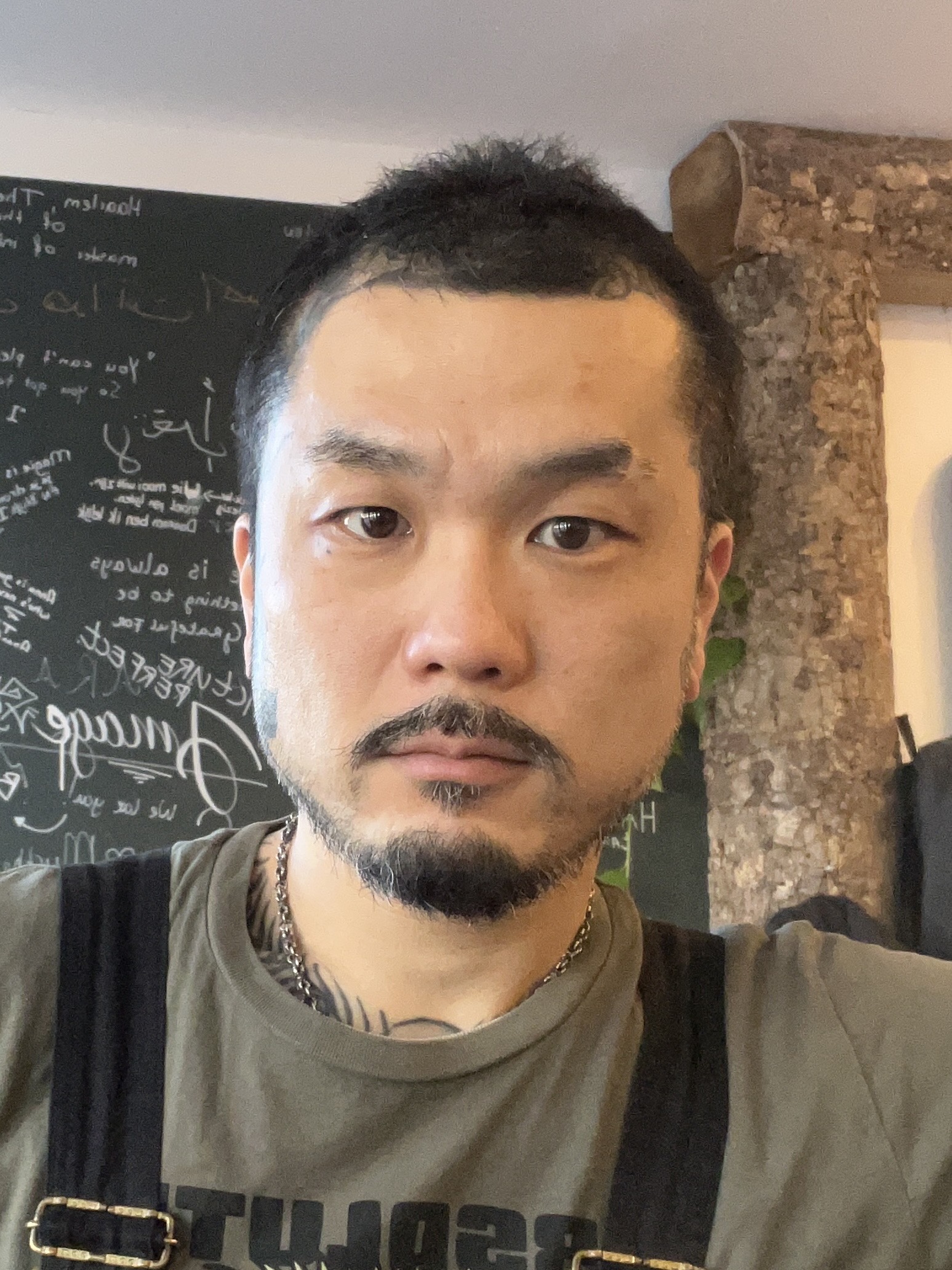
Estaremos en el Auditorio de Ferreries realizando tatuajes y presentando obras de arte y moda exclusivas. Desde España, participará Horisen. De Tokio llegan Horitake, Horiko y Horisame. Desde Okinawa, Jin y Azusa (de Dope Tattoo), Kanazawa Horihiro (que inicia su proyecto Black Ocean Tattoo, también en Okinawa), Tadao Watanabe de Shizuoka (afincado en los Países Bajos) y, finalmente, Horifuku de Nagabuchi (invitado habitual de Dope Tattoo Okinawa). «Un pedacito de tatuaje japonés en las Baleares; ¡increíble, no hace falta ir a Japón!»
La lista de personas que nos han apoyado con energía positiva y trabajo desde nuestros inicios es larga, y jamás las olvidaremos.
Un agradecimiento especial a Fidel y Antonella por la amable invitación al evento y por la energía que dedican a difundir en Europa estas tradiciones que forman parte de nuestras vidas desde hace tanto tiempo.
No sé si «Menorca Top Advisor», «El Iris» o «Nua Menorca» ya lo han anunciado, pero la combinación de queso de Menorca, sobrasada, cerveza artesanal, música y tatuajes es una apuesta segura.





.jpeg)


%20(1).JPG)


